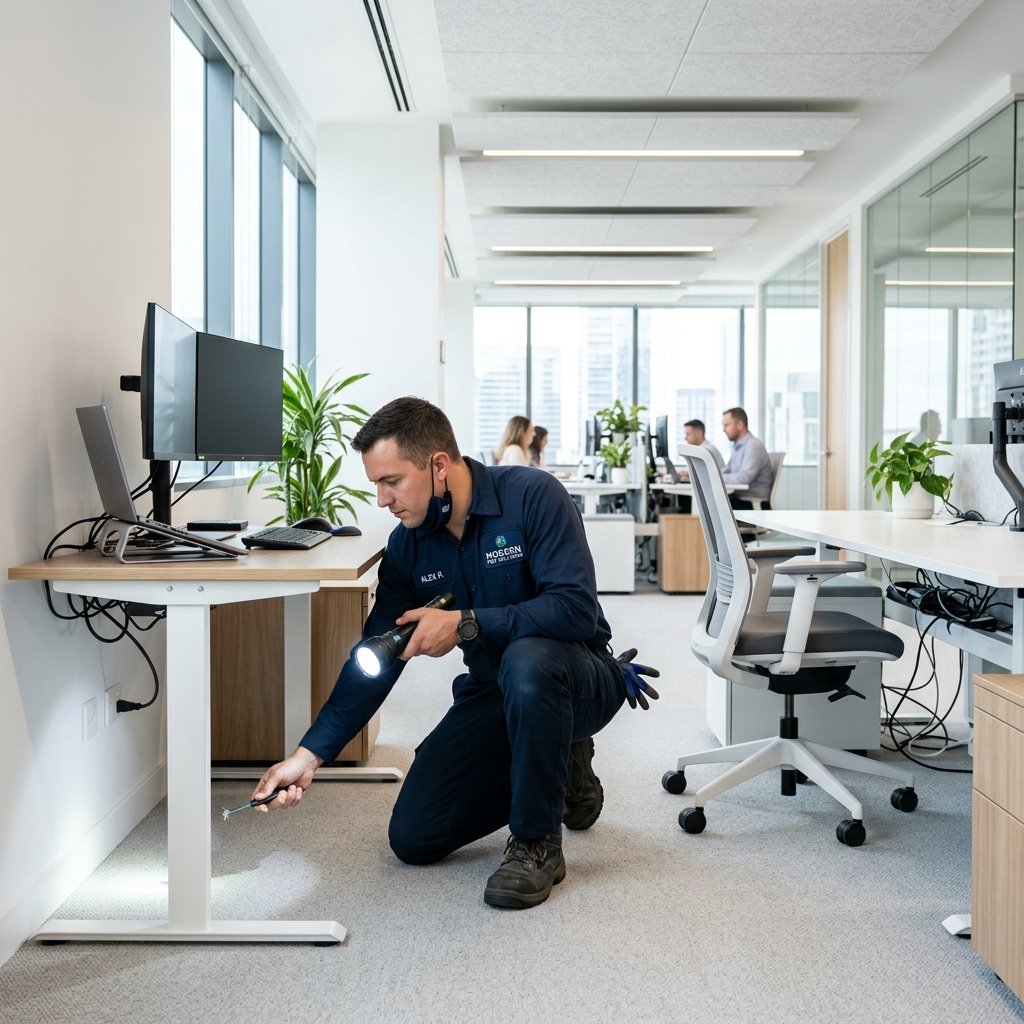
Maintaining a pest-free commercial kitchen is essential for compliance, reputation, and safety. Discover the daily, weekly, and monthly practices your staff should follow, plus why regular professional treatments are non-negotiable.
Comprehensive Guide to Ongoing Pest Control Maintenance
While dealing with an immediate pest issue is often the priority for many property owners, establishing a long-term pest management strategy is equally critical. Pests such as termites, rodents, cockroaches, and spiders are constantly seeking new sources of food, water, and shelter. Without proactive measures, your home or business remains vulnerable to recurring infestations that can cause significant structural damage and health risks. Effective pest control is not just about eradication; it is about consistent prevention, monitoring, and environmental management.
The Importance of Seasonal Inspections
Australia’s climate varies drastically, and pest activity fluctuates with the seasons. During the warmer months, insects like ants, mosquitoes, and flies become highly active, seeking entry points into air-conditioned spaces. Conversely, as winter approaches, rodents and spiders often move indoors in search of warmth. Scheduling professional inspections at least twice a year ensures that vulnerabilities in your property’s defenses are identified and addressed before an infestation takes hold. Licensed pest technicians use advanced tools, such as thermal imaging and moisture meters, to detect hidden activity inside wall cavities and roof voids that would otherwise go unnoticed.
Integrated Pest Management (IPM) Principles
Modern pest control relies heavily on Integrated Pest Management (IPM). This approach emphasizes minimizing the use of harsh chemicals by prioritizing environmental modifications. Key steps in an IPM strategy include:
- Exclusion: Sealing cracks, installing weather stripping, and repairing damaged fly screens to block entry points.
- Sanitation: Ensuring that food waste is securely disposed of, spills are cleaned immediately, and standing water is eliminated.
- Habitat Modification: Trimming overhanging branches, reducing mulch depth near the foundation, and storing firewood away from the building.
When to Call a Professional
DIY pest control products may offer temporary relief, but they often fail to address the root cause of an infestation. If you notice signs of pests—such as droppings, chewed wires, mud tubes, or shed skins—it is essential to engage a qualified pest control expert immediately. Professionals possess the training, equipment, and targeted treatments necessary to eliminate pests safely and effectively, providing you with long-lasting peace of mind.